Choosing Sticker Export Trade Terms: FOB, CIF and EXW Cost and Risk Split
FOB, CIF and EXW on a quotation are not decoration — they decide who pays freight, who carries risk and where title passes. Pick wrong and you either overpay for shipping or have no claim when goods are lost at sea. Using sticker orders, this guide explains the cost and risk split of the three terms and which to choose for different buyers.
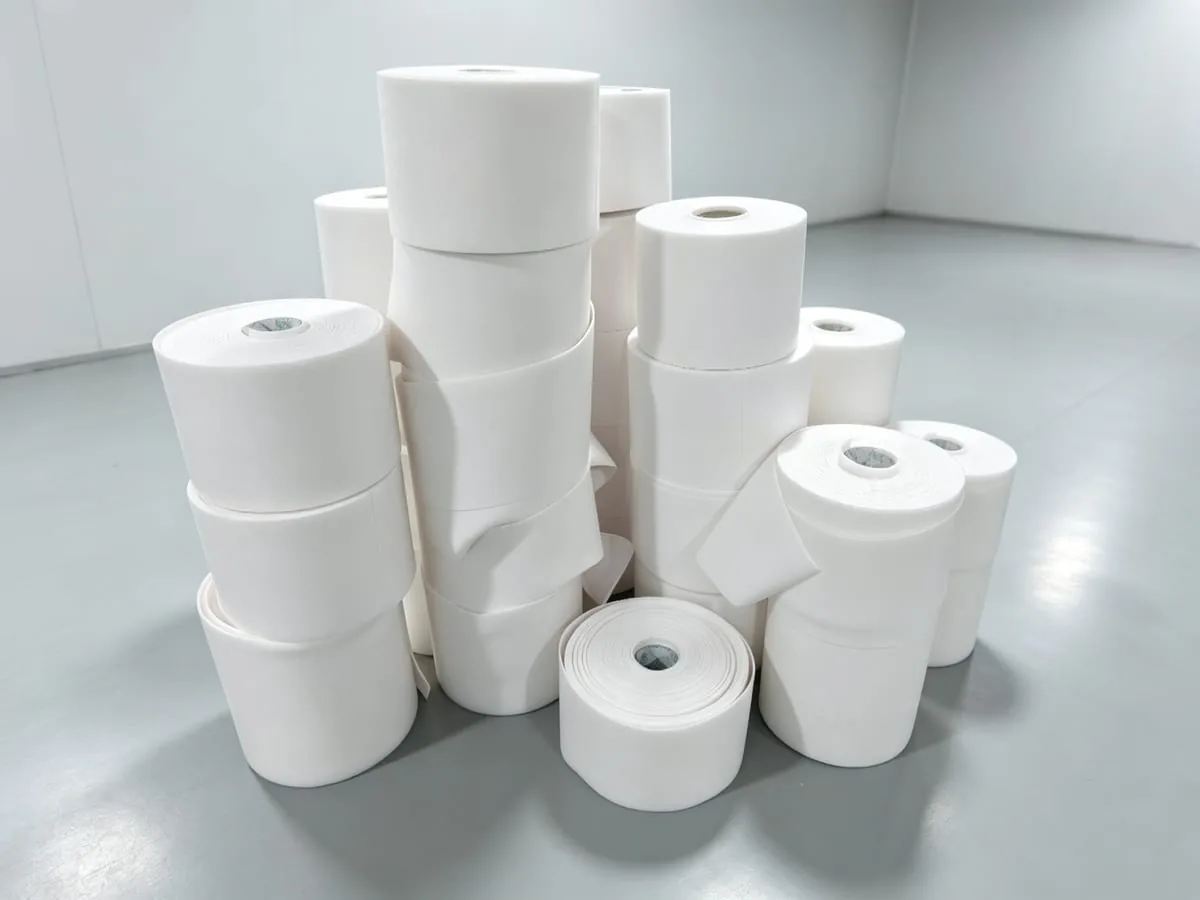
Many buyers look only at unit price and ignore the trade term — then the freight forwarder bill exceeds the stickers, or lost goods at the dock become a blame game. A trade term is fundamentally where cost and risk split; this guide makes it clear with sticker orders.
1. Where Each Term Splits Things
- EXW (Ex Works): the factory stages goods at its own door; from there freight, insurance and risk are all the buyer, the lowest ex-works price
- FOB (Free On Board): the factory delivers to the loading port and loads the ship; risk passes when goods cross the rail, ocean freight paid by buyer
- CIF (Cost Insurance Freight): the factory covers freight and insurance to the destination port, risk stays with the factory side until arrival
2. How Cost and Risk Split
One line to remember: risk splits at where goods are handed over, cost splits at who pays that leg of freight. Under EXW the buyer takes everything from the factory door; under FOB the buyer takes sea risk from the loading port; under CIF the factory carries it to the destination port. So for the same stickers, the ex-works unit price is lowest for EXW, then FOB, then CIF — but the total is not fixed, because CIF already bundles freight and insurance in.
3. Which Term for Which Buyer
- Buyers with a nominated forwarder: choose FOB and use your own forwarder to control freight and sailing
- Buyers without import capability: choose CIF, the factory handles door-to-port, hassle-free
- Buyers with a China office: choose EXW, self-pickup is cheapest but you arrange all logistics
- Small trial orders: EXW or FOB both work; CIF document and minimum-volume rules are unfriendly to small orders
4. Traps Most Common in Quoting
- Term and price mismatch: quoting an FOB price but calculating at EXW means the buyer discovers a large extra freight at the port
- Port not stated: FOB must name the loading port, otherwise the cost boundary is vague
- Insurance gap: CIF default cover is often only 110 percent; high-value goods need top-up
- LCL minimum: sea LCL has a minimum chargeable volume, small orders pay the minimum and see unit cost rise
Yikang Trade-Term Support
- EXW and FOB from Shenzhen or Guangzhou port, CIF to major destination ports worldwide
- Works with the buyer nominated forwarder, or recommends a partner forwarder
- Export customs, certificate of origin and bill of lading issued by the responsible party per term
- Quotations state the term and loading port explicitly to avoid port-side surprise charges
Related Reading
Need a quote for what you just read?
Send us your artwork, size and quantity — we reply within 24 hours.